
 |
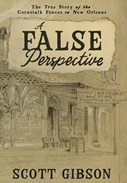
This book clarifies the history of cornstalk fences in the US. It debunks the tale of a homesick bride from Iowa whose husband had the fences built in New Orleans to help her feel at home. The histories of the fences, like the development of New Orleans itself, are significantly more complex and conflicted, and they involve other places, people, opportunities, and motives. An example of this is the name of the designer of the first cornstalk fence: George Washington Mordekee, the son of a good friend of the first president of the United States.
For those who have never heard of these fences, or have scant knowledge of them, the chapter "The Mardi Gras Fence" provides detailed accounts of how the maize interacted with ecosystems, and the ways in which the fences were constructed. The author describes how cornstalks, beans, and squash intersect and wind around one another, as well as the reasons for that particular construction, its symbiosis, and adherence to the memory of the first designer.
The author has a visceral feeling for New Orleans, cornstalk fences, and for both geography and history. His descriptions highlight his knowledge of and love for the environmental and architectural marvels that have been claimed and made legendary by history, but whose true value has essentially been obscured. The book is a tribute to the motivation and work of people living from North Carolina to California in the past and present. The significance of cornstalk fences evinces the importance of that story.
A 2026 Eric Hoffer Book Award Nominee