
 |
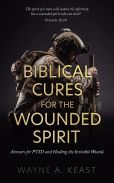
Biblical Cures For The Wounded Spirit: Answers for PTSD and Healing the Invisible Wound
by Wayne Keast
ARPress
Even when wars and the front lines fail to faze courageous warriors, PTSD can slowly break down the mind, rendering the once indomitable spirit vulnerable and at risk. In this work, Keast draws upon his own experience with PTSD and the ministry to provide an antidote rooted in God's word. In the process of establishing that faith in Jesus Christ can restore the spirit and combat PTSD, Keast does a commendable job of presenting his stance comprehensively, examining PTSD from psychological, historical, scientific, and biblical perspectives.
Often, the greatest revelations come from the deepest depths of darkness. Keast is no different. His faith in God was challenged after returning from war in 2006. He was wounded, lost, and facing open heart surgery. His work stems from an undeniable first-person perspective and anecdotal observations from other soldiers experiencing similar trauma. From an educational perspective, the work is insightful in helping audiences understand triggers and the multitude of ways that PTSD can manifest itself, from depression to anger and isolation.
The author dives into the mindset shift of PTSD being perceived as an exclusively secular, science-based disorder. Keats points to a massive uptick in the use of pharmaceuticals as a cure for PTSD, yet any measurable data renders these medications insignificant in creating real change for sufferers. Everything from suicide and homelessness to divorce and drug abuse can become all-encompassing. Conversely, Keast focuses on spiritual growth, a permanent fix rather than a temporary soothing mechanism. The path to biblical meditation leads directly to building a relationship with Christ and walking in his light, equipping audiences not to avoid pain and suffering but to channel it in a healthy way. Overall, Keast's work provides a clear and actionable blueprint on how Scripture presents an everlasting cure to PTSD.