
 |
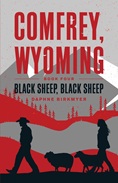
In this fourth installment of the series, Birkmyer returns with the same electric energy and seamless character development that have become trademarks of her work. The story opens with a girl-next-door, coming-of-age connection between Melissa McNabb, with her free-spirited, artistic personality, and Tony Paniagua, the heartthrob, racecar aficionado with a subtle emptiness who just moved into their Pennsylvania neighborhood. It doesn't take long for Birkmyer to move the plot along, however, and turn this work into an insightful gem that probes long-hidden secrets, setting the central characters on a path of self-discovery and exploration.
From the get-go, Melissa's diagnosis of being on the spectrum is captured with grace and sensitivity. Further, Birkmyer's use of dialogue—breaks in speech or the repetition of letters—for Melissa's character in particular epitomizes her uncanny talent for using voice to bring characters to life. In fact, every character has a purpose in this novel. While the first part is centered around Melissa's relationship with her parents, her brother Martin's friendship with Tony, and even Melissa's burgeoning obsession with Tony and her dog, a well-timed plot twist changes the fate of the characters in the Comfrey universe.
When Tony is admitted into UC Berkeley, a cross-country trip from Pennsylvania to California ensues. Yet Melissa is adamant that he stop by Comfrey, Wyoming, and meet her West Point uncle, Booker McNabb, the anointed black sheep of the family. After spending a couple of days with Booker, Tony embarks on his own journey of self-reflection amid his relationship with his father, leading him down the most unexpected path. Yet, Birkmyer negotiates every turn of plot and pivots from one character to another so smoothly that one truly feels along for the ride, not merely an observer of this world.
As has become a staple of Birkmyer's work, the continued progression of the plot produces layers of secrets being unraveled that fuse with tragedy, leading Melissa to a radically new chapter in her life: moving to predominantly white Comfrey, Wyoming, with Tony's son, T.J. Here, the story takes an intriguing turn as the lives of Melissa and Comfrey's "old faithful," such as Amadeus, now the sheriff, Heidi Crow, the owner of "Crow's Nest," Uncle Booker, and others from earlier Comfrey, Wyoming novels become intertwined. At the same time, new characters, like the talented artist, Jonathan, join in. The latter is tasked with painting the airport walls with African plains animals, further substantiating the notion that the special-needs population should not be considered taboo but rather embraced for their talents.
While there are countless narrative arcs, each one is tethered to a story readers will care deeply for, whether that is the unlikely discovery of a deed, or her monumental three-thousand-mile journey that is certain to have ripple effects on all the characters in her orbit. Digging deeper, Birkmyer's talent lies in her ability to create a town with such rich history and depth that the characters can explore it endlessly, with the freedom to lose themselves and rediscover themselves—the ultimate lost-and-found story. Overall, Birkmyer explores universal themes of the human spirit with a maternal warmth that is simply endearing and creates an instant connection between her characters and audiences.
RECOMMENDED by the US Review
Birkmyer's Comfrey, Wyoming: Birds of a Feather was the 2026 Eric Hoffer Book Award Legacy Fiction Winner.