
 |
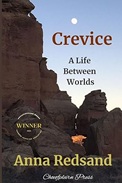
This book is a reflective collection of essays tracing the author's lifelong negotiation of identity, belonging, and cultural responsibility. The author is of Dutch descent yet raised among the Diné (Navajo). She writes with clarity about the tension between the world that shaped her and the one she can never fully claim. The essays move between childhood memory, adult reckoning, and moments of quiet recognition, forming a portrait of a life lived between cultures. Certain experiences reappear across the collection, not as repetition but as a return to formative questions, such as what constitutes home and who has the right to name it.
The author's greatest strength lies in her willingness to examine the complexities of cross cultural identity without seeking easy resolution. Her reflections on being a bilagáana (white person) in a Diné world are marked by restraint and honesty. She acknowledges the deep affection she holds for the community that raised her while also recognizing the boundaries that protect it. This awareness gives the work its emotional weight, particularly in essays that consider how longing for belonging can unintentionally cause harm. Her prose remains measured throughout, allowing the reader to sit with the nuances of identity, memory, and cultural responsibility.
The essay form serves this memoir well, offering multiple angles on the same central questions. While some pieces overlap in content, the cumulative effect is one of deepening insight rather than redundancy. The author's careful attention to place, language, and ethical self interrogation makes the work a thoughtful contribution to contemporary memoirs. The collection invites readers to consider the spaces between worlds and the work of honoring them.