
 |
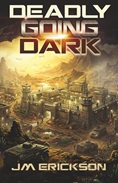
After teenage David protects his lower-class friends from abuse by his brothers and their cronies' hands, David's father punishes him for breaching societal norms instead of holding his other sons accountable. David finds a chosen family of rebels when he escapes to the Dark Zone. A father figure finds him: a high-ranking rogue military leader who recognizes David's potential to help build a new, equitable world order away from Earth. David joins his sister, also escaped from familial prejudice, in commanding Freeport communities on Mars.
The punishing injection meant to erase David's memory of his "wrongdoing" doesn't take. Much of the book's first half shows David channeling his righteous and justified anger into productivity. The introspective text composes a compelling and complex psychological portrait. The trust in David's character built in the intimacy of the first half carries into the second half, when he collaborates with friends in the Dead Zone and later on Mars to combat the enemy trying to divide people. David's inwardness becomes cunning; David's inner voice expands into decisions and strategies he enacts with command.
Beyond an action-packed plot led by a deadpan David, the book's interest lies in its futuristic novelties. For example, a primary threat on Mars is mutant pets. AI companions help key players find solutions not readily accessible to their human counterparts. The book describes the climate and environment in realistic detail, along with maps of bases and settlements. Survival skills and gear make for a high-stakes tone. The book's precision drives an exacting and undeterred pace. This science fiction exploration of galactic possibilities is rooted in ancient wisdom. Chapters that begin with quotes from Aurelius and Machiavelli, among others, offer a history lesson alongside innovative applications of timeless adages.