
 |
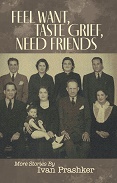
This story collection spans a multitude of locations, subjects, and themes. Locations like the Upper West Side play an integral role in stories that examine one's identity. The meaning of place and the significance of those who occupy it are undeniable in these stories, making this collection a philosophical contemplation of how environments influence and transform a person. Other stories, like "Your Kansas Friend," dissect racism and how deep-seated notions and ideologies form and thrive, despite two friends' attempts to overcome them. Some stories even offer a fictionalized yet deeply personal account of World War II's aftermath. Each story is fascinating in its own right because each person feels real, leaving readers thinking about the people in their own lives and how their relationships with them formed.
What makes this book even more engaging and powerful is the dialogue in every story. Each character's conversation reveals who they are. The careful placement and pacing of the dialogue also support each story's structure. In other words, no conversation is unnecessary. The dialogue drives character development, adding emotion and psychological complexity to both the characters and the stories. The stories also incorporate many allusions to historical events and the humanities. This fusion of history, lived experience, deep reflection, and literary references creates a masterful blend of the characters' pasts and their present. While the stories seem to emphasize that no experience or relationship is too small, the incorporation of various artistic and literary allusions also shows how being a lifelong learner facilitates curiosity and makes one a better citizen overall. The story that best exemplifies this is the emotional powerhouse "The Eulogy," in which art, literature, and individuality fuel a deep friendship.
The author's book also examines memory and how time, place, and experience not only produce more memories but also transform the ones an individual carries. Personal interactions and the memories they form center the collection. This provides the book's audience another potent reminder: how one treats others matters because that, too, influences how one remembers a person or an interaction and vice versa. In essence, these stories—and the relationships they depict—act like a series of chain reactions, which creates an existential element that leaves people thinking about how their choices—and their outcomes—build over time to shape one's life. This makes the collection necessarily philosophical, but because of the author's graceful writing, the inherent philosophies and reflective points do not seem overbearing or trite.
Prashker's collection is thought-provoking, engaging, and immersive. Even though many of the stories are set in the past, the issues and themes they discuss show that those issues are still relevant today. So many of the characters are quite unforgettable, as are the experiences portrayed in these pages. The realness of these stories adds to how memorable they are. Most of all, they leave readers thinking about the world around them, the events that have shaped it, and the people, too, who have an undeniable presence and influence. This book is a true page-turner.
RECOMMENDED by the US Review