
 |
Mary and Joseph were the parents of Jesus. As a child, Jesus experienced many of the same things that other children go through. His mother rocked him to sleep and softly sang to him when he was a baby. As he grew, he learned to walk, talk, and eat, just like any other child. He also learned to read and write. This connection is significant because children can relate to Jesus from an early age, understanding that he did things similar to themselves. The story of Jesus as a child shows how he learned to pray to God, emphasizing that they, too, can pray. Because Jesus went through the same early developmental stages as any other child, he understands their experiences.
McDonald provides an in-depth exploration of Jesus' childhood, emphasizing the formative experiences that contributed to his spiritual development. She highlights how, through prayer and reflection, Jesus grew progressively closer to God, portraying his relationship with the divine in a way that resonates with young readers. The author aims to facilitate a personal connection between children and Jesus by depicting him not only as a historical figure but also as a relatable person who experienced the joys and challenges of childhood.
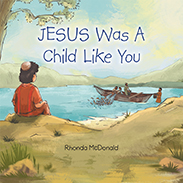
By incorporating specific anecdotes and details from Jesus' early life, McDonald enriches the narrative, allowing children to understand his experiences and motivations on a deeper level. Moreover, McDonald guides readers through the different stages of Jesus' childhood, presenting a chronological account of significant events and decisions he faced. This careful structuring ensures that readers can follow along with his journey without missing any critical aspects. The illustrations throughout the book play a significant role in enhancing McDonald's vision. Through her work, McDonald aspires to encourage children to develop a meaningful and personal relationship with Jesus and God the Father.
RECOMMENDED by the US Review