
 |
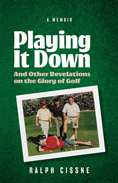
The author's Aunt Joan encouraged living in the moment, the place where life is really lived. That idea of being in the moment comes through again in the summer of 1964, when a young boy gulped, a golf ball at his feet, and looked down the fairway. Growing up, Cissne heard messages like "be prepared." More importantly, golf taught him that you're responsible, reinforcing those early messages about doing your best. Concerns about the war and the draft were part of growing up, too. Years later, he also reflected on the friends he'd made, including Eddie, who inspired him in many ways as they discussed the meaning of life.
These deep friendships that shaped the author's life become some of the narrative's most powerful moments, but they are only one part of what makes these memories feel personal. The story starts out by introducing who Cissne is and the kinds of songs he listened to in different seasons of his life. However, overall this memoir forms a complete experience of the times. His family members aren't just added as standalone characters. Instead, they're part of influencing who he is. Beyond those personal influences, one of the strongest elements included throughout is the scraps of news and history, such as the war or what people talked about that year. Not only does the news anchor the time period of an experience or memory, but it also shows the community around him, making it part of the scene in an insightful way. Just as news helps place these memories in their surroundings, the photos also help bring those moments to life. The photos are large and full of personality, appearing before each chapter. Picturing Cissne in these moments of his life makes it easy to get to know him.