
 |
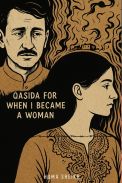
Utilizing a form of ancient Arabic poetry that equates in translation to an "ode," the poems in this unique collection examine war, heartbreak, loss, and grief. The author explores war-ravaged Kashmir, the place where her father was murdered. While the poems' speaker navigates their grief and emotional turmoil, they also make pleas for peace: "Still, I want to talk about the peace as the honking / goose retreating from her calling into the mountains." Other poems rely on distinctive sound elements to summon "a memory from our Kashmir home." Landscape creates a significant safe space and place of reflection: "My Orchard, tell me: how do you hear / silence of censored phone lines?" All the while, a deep longing for home permeates each and every line.
These poems are poignant and meaningful. They draw attention to an area (Kashmir) that receives little media attention. Nature is the premier force throughout the collection. It is a healer, a conduit, and a respite. Its spaces stand in sharp juxtaposition with the images of Manhattan. This juxtaposition, however, creates a psychological jarring that mirrors the shock of war, tragedy, and displacement. The beauty of this collection, too, is that it introduces the book's audience to a new poetic form. Thus, people who are already poetry readers and/or even poetry writers will appreciate this cultural and literary exposure. What is most powerful about this collection, nonetheless, is that even at its darkest moments, it advocates for hope. It is a raw, open, and vulnerable book that will leave its audience in awe.