
 |
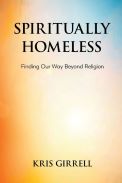
Girrell explores what happens when people lose trust in organized religion but still long for meaning in life. Drawing on John of the Cross, a sixteenth-century mystic who wrote about the "dark night of the soul," he reframes spiritual darkness not as abandonment but as a transformative experience. He identifies four groups of spiritually homeless people (those disappointed with traditional worship, those curious and searching, those who never grew up with religion, and those who resist institutions) and offers them a path. His mention of the seven stages of spiritual growth moves readers through periods of doubt and emptiness toward integration and wholeness. Rather than giving all the answers, Girrell invites readers to trust the process of unknowing, suggesting that spiritual homelessness may be less a crisis and more a necessary passage toward authentic faith.
One of Girrell's strengths is the gentle and welcoming tone he employs in his writing. He avoids heavy religious language and instead uses personal stories to invite readers to reflect on their own experiences. His chapters on ritual, silence, and finding mentors are powerful, giving readers real ways to reconnect with their spirituality. By combining his own reflections with broader insights, he makes the book meaningful to people from diverse walks of life. The four categories of spiritually homeless people provide a helpful starting point, although some readers may identify with more than one group. Still, these categories give a sense of belonging, showing that no person's search is completely alone or without direction. Overall, this book is a steady and compassionate guide for anyone seeking meaning beyond organized religion. It offers space for reflection, practical steps to move forward, and encouragement for those navigating the uncertain but hopeful path of spiritual growth.
RECOMMENDED by the US Review