
 |
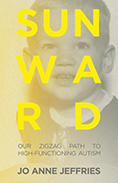
Against the backdrop of 1959, Jeffries' memoir delivers a jarring scene to open the work: an established practitioner, Dr. Meares, unequivocally states that the parents and home environment are responsible for their child's autism. What ensues is a comprehensive rendition of what it means to raise a child with autism, and the unyielding desire to hold onto hope, even when all hope seems lost.
From counterintuitive therapy sessions to being deemed a brain-injured child, William was put through the wringer, enduring restraints and being put in the closet in a futile effort to create order in his life. From the lens of the twenty-first century, medical claims that the child would be trying to act out the parents' feelings are preposterous. Yet this was the norm at the time, and getting direct, actionable help to improve William's quality of life became increasingly difficult.
Jeffries leaves no stone unturned in providing an in-depth understanding of autism. William, who as a child would hardly speak, began to show signs of improvement through the mentorship of Mrs. Farr, his music teacher. The sheer jubilation of seeing a calmer William watch The Wizard of Oz in full is juxtaposed with his fears. Slowly but surely, he discovers his voice and never looks back.
Collectively, Jeffries explores numerous themes in depicting the authenticity of living with a child on the spectrum; however, one area that proves an anchor is the spiritual calm that manifests through practices such as meditation and sound therapy. As Jeffries' efforts expand to the greater autism community, she serves an integral role in creating autism awareness, both through her work and this book, delivering a handbook that weaves together raw experiences with vital information for both parents and therapists.
RECOMMENDED by the US Review