
 |
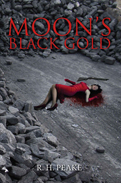
"Black Gold" is coal, the cash crop of southwestern Virginia, and Moon's gold comes from the controversial practice of strip mining, where land is razed for the rich vein of ebony beneath the earth's epidermis. Moon (Everett Adamo Lunamin), fresh from Viet Nam and tired of being "dirt poor," returns to his corner of Virginia, determined to be a rich man. He quickly grabs a piece of the lucrative coal industry to fund a lifestyle he believes will fulfill him. Money does capture respect, security, and the high-school sweetheart of his dreams. But Moon's mountain man spirit is tied to nature, the very flora and fauna strip mining displaces. As financial gains (and a woman) free his mind and soul to concentrate on learning, thinking, and self-examination, Moon's story morphs into an homage to the mountain way of life—with all its kith and kin, including Mother Nature—raped by strip mining.
Along the way, union strikes, environmental and political tensions, rivalries for coal and women, and even murder keep the stakes high and the storyline packed to bursting. Detailed physical descriptions, the Appalachian dialect, and immersion in the post–Viet Nam period in southwestern Virginia keep the story rolling like the mountains in which it is set. "Tan snakes sinuously arranged from top to bottom" choke the mountain ridges. Mountain men, who say "by gonnies" and "hit" instead of "it," explain the origin of "Melungeons" and call each other "honey." Marijuana rivals coal for cash, moonshine is plentiful, and sometimes "legal" is a state of mind. Subtly using the metaphors of mining and nature in an Anthropocene era, Peake uncovers the deep vein of richness within Moon, an Appalachian to his core. The art and culture of strip mining fascinate as much as Moon's journey to a greater self brings joy.